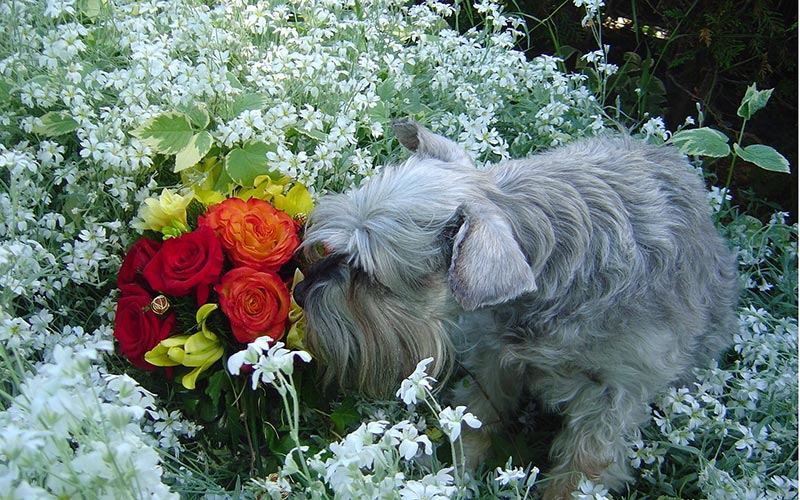
One thing that every loving pet owner wants for their dogs is to have a beautiful yard for them to run around in. We want our yards to be places where we can appreciate beautiful flowers and plants with an artisan feel.
If you have dogs you need to know which plants are good for your pet and those that are dangerous. Many unassuming plant species are very toxic for your dog. It is impossible to name all of the plants but we can at least show you the top 10 most dangerous plants for your best friend.
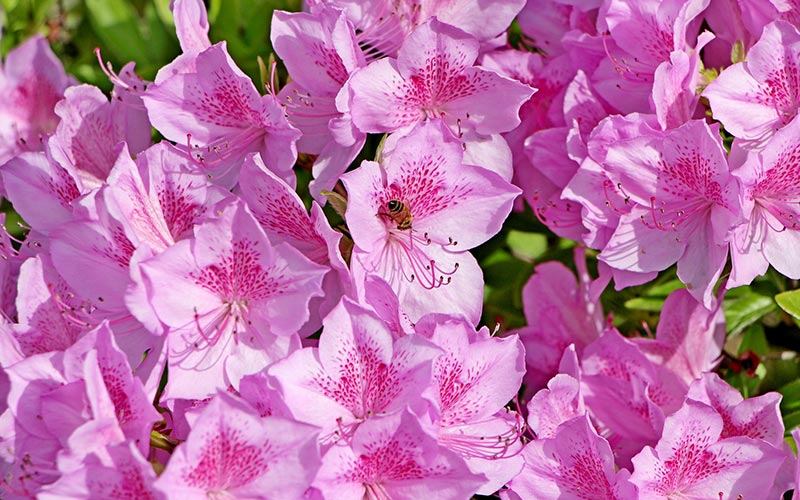
Azaleas - This plant contains grayanotoxins which disrupt the sodium channels that affect the skeletal and cardiovascular muscles. There are over 1000 Rhododendron plants out there. If your pet consumes more than 0.2% of its body weight in this plant it is poisonous. Your pet may show signs of drooling, vomiting, diarrhea, loss of appetite, abdominal pain, abnormal heart rate (arrhythmia), hypotension (low blood pressure), weakness, tremors, blindness, seizures, coma, and death. The pet poison control can help you with grayanotoxins.
Lilies - Most species of lilies are highly toxic to your pet. These plants if eaten can cause tremors, gastrointestinal problems, depression, kidney damage, and death. This can happen if the dog ingests just a small amount of the plant. Lilies do have a nice smell to them which attracts dogs especially.

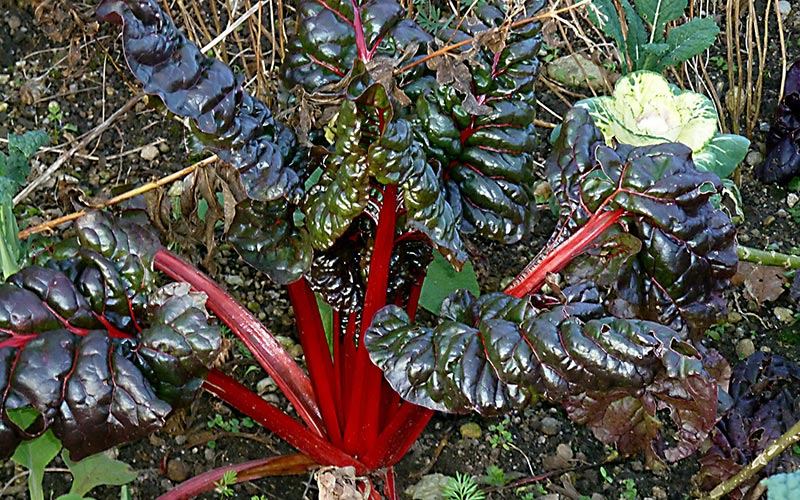
Rhubarb - The leaves of this plant contain a toxic called oxalate. According to the VCA Animal Hospital, oxalate can cause kidney failure for your pet. This chemical that forms oxalic acid produces kidney blockage and stones for your dog. This can lead to kidney failure in your dog and possible death.
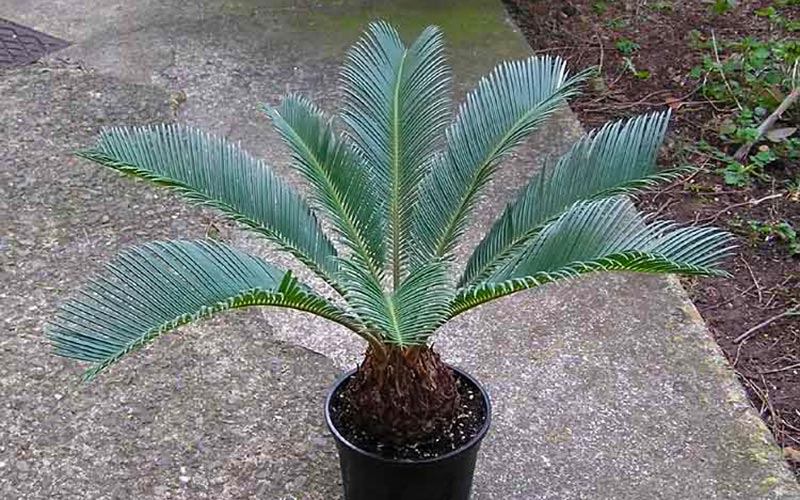
Sago Palm - This decorative palm tree is usually great to ornament your yard, but its leaves and seeds are very toxic to your pet. If your dog gets into this plant, he may exhibit signs of vomiting, diarrhea, depression, seizures, and liver failure. To understand more about the molecule and how it affects your dog check out the toxicology brief. This chemical is fatal for small dogs.
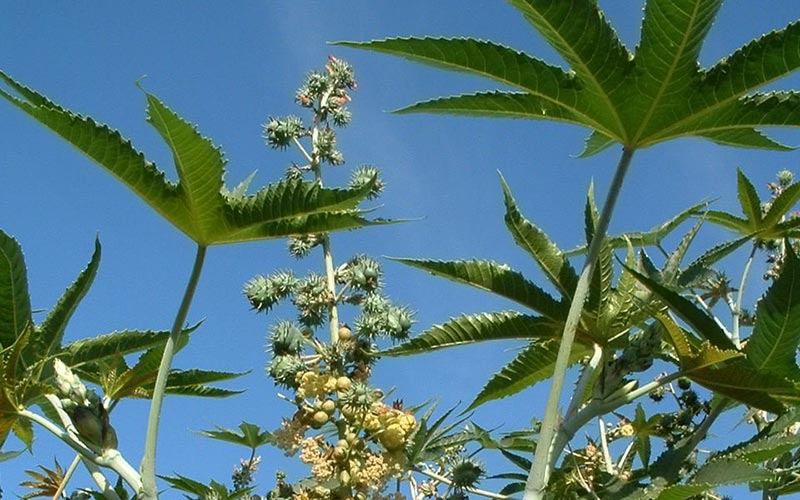
Castor Bean -Beans are very toxic according to the Animal Society for the Prevention of Cruelty to Animals (ASPCA), castor beans may cause oral irritation, burning of mouth and throat, increase in thirst, vomiting, diarrhea, kidney failure, and convulsions. Access to ornamental plants or pruned foliage is most common in poisonings. Ricin is a highly toxic component that inhibits protein synthesis; ingestion of as little as one ounce of seeds can be lethal. Signs typically develop 12 to 48 hours after ingestion and include loss of appetite, excessive thirst, weakness, colic, trembling, sweating, loss of coordination, difficulty breathing, progressive central nervous system depression, and fever. As the syndrome progresses, bloody diarrhea may occur, and convulsions and coma can precede death.
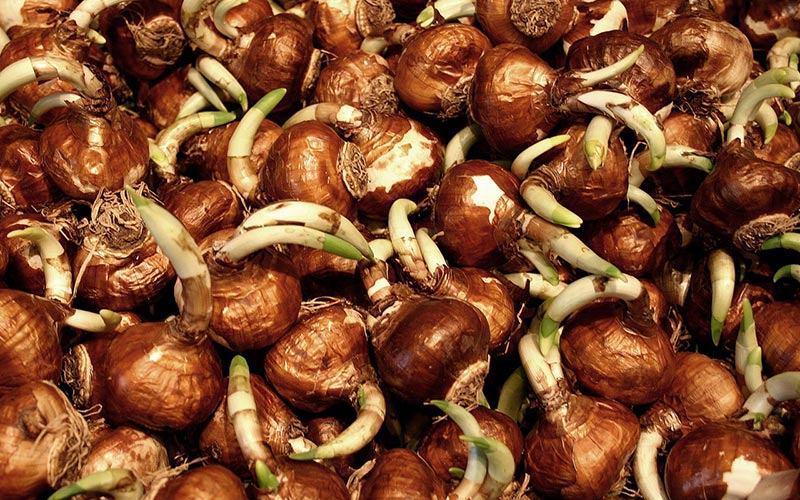
Bulb Flowers - According to the Pet Poison Control, hyacinths and tulips belong to the Liliaceae family, and contain allergenic lactones or similar alkaloids. The toxic principle of these plants is very concentrated in the bulbs (versus the leaf or flower), and when ingested in large amounts, can result in severe clinical signs. Severe poisoning from hyacinth or tulip is often seen when dogs dig up freshly planted bulbs or have access to a large bag of them. When the plant parts or bulbs are chewed or ingested, it can result in tissue irritation to the mouth and esophagus. Typical signs include profuse drooling, vomiting, or even diarrhea, depending on the amount consumed. With large ingestions, more severe symptoms such as an increase in heart rate, changes in respiration, and difficulty breathing may be seen.
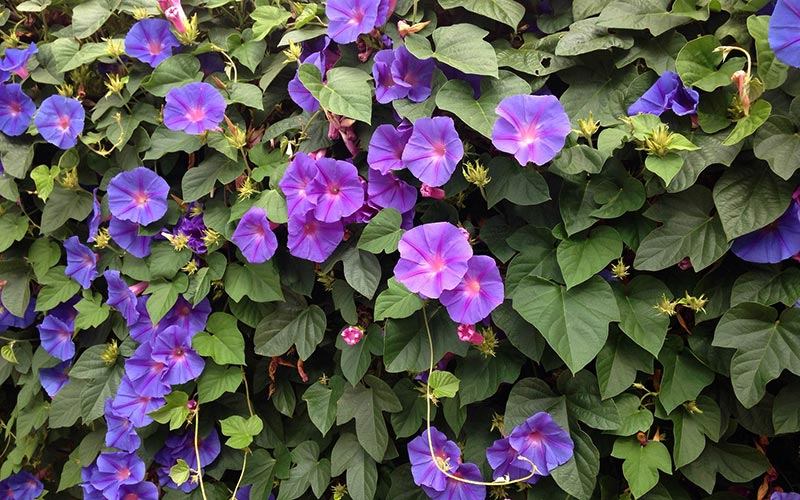
Morning Glory - These very beautiful flowers have a toxin in them called indole alkaloid. This is a derivative of strychnine. The ASPCA claims that this plant in small amounts is considered poisonous to small and medium size pets. The signs and symptoms your pet may exhibit from ingesting this plant are as follows; Gastrointestinal upset, agitation, tremors, disorientation, ataxia, and anorexia. Seeds may cause hallucinations and may cause diarrhea.
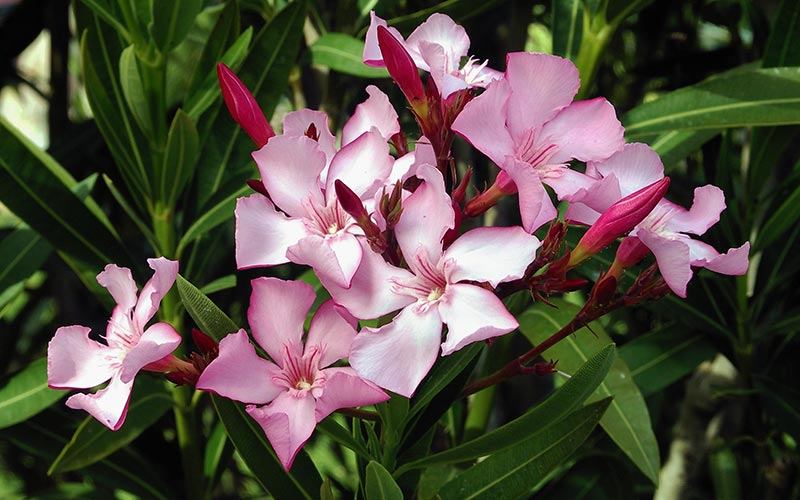
Oleander - These are an outdoor shrub, popular for their evergreen quality and delicate flowers. It grows in warm locations. All parts of the plant are poisonous to all species of dogs, and cats. Oleanders contain natural poisonings that affect the heart directly. According to the Pet poison control the toxin is called glycoside toxin and it messes with the electrolytes of the heart and prevents contraction.
English Ivy - This plant is a woodland plant. It is one of the few plants that have a juvenile stage and an adult stage. The juvenile stage is when the leaves are lobed and they grow patches on the ground. The adult stage is when the plant starts to find and host to grow on such as the face of a house or fence and trees. At this stage, it will grow flowers. This plant is very toxic to pets and animals according to the Paws Doggy Daycare. Potent irritant; the cell sap has shown the ability to create redness, itching, and/or blisters when it comes in contact with living tissue. Symptoms of ingestion include an immediate burning sensation in the throat and mouth; possibly followed by redness, blisters, rash, and obvious visible irritation of oral mucosa; excessive drooling, obvious pain or discomfort of the mouth, pawing at the mouth, hoarse or weak sounding vocalization; excessive desire to drink; gastrointestinal upset, vomiting, diarrhea, abdominal pain. In cases of extremely large ingestion: stupor, loss of coordination, hypotension, bradycardia, convulsions, and coma. Unconfirmed livestock deaths were reported in old 20th-century literature, but none in modern literature.
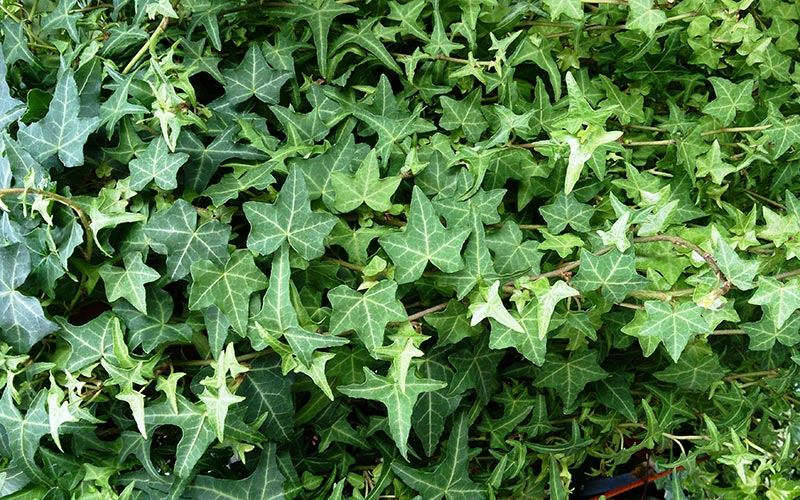
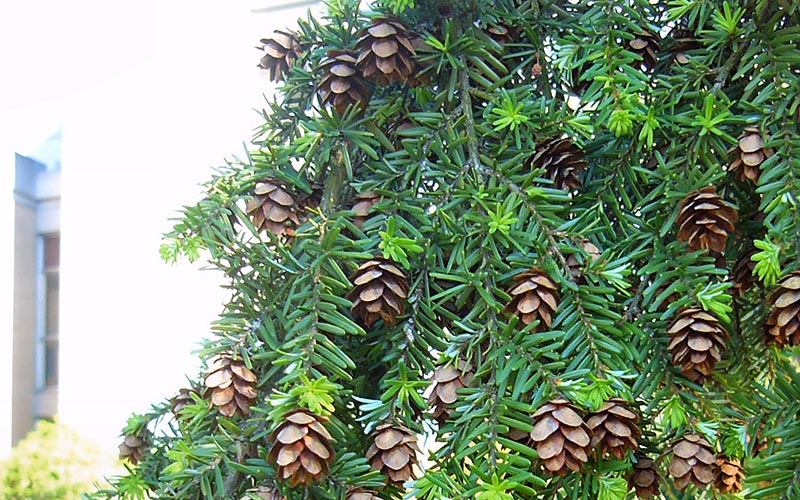
Hemlock - This plant is also known as the California Ivy. According to the ASPCS hemlock does infrequently cause poisonings, this plant is not likely to be consumed unless other forage is not available. Several toxic alkaloids are contained within the plant, and the content varies depending on the stage of maturity or reproduction, and climactic conditions. As the plant dries out, the toxic potential disappears. Clinical signs can develop within minutes after ingestion and may include central nervous system excitation, muscle tremors, incoordination, excessive salivation, frequent bowel movements and urination, abdominal pain, and increased respiratory rate. As the syndrome advances, weakness progresses to muscular paralysis. Death is possible due to respiratory paralysis.
These are just a few plants that are very toxic to your dog. When setting up the yard for your pet to play in and for your family to enjoy, be sure to know what plant you are putting into your garden. It is also good to know these basic plants so that when your dog goes to explore its neighborhood during walks, you can watch out and keep them from ingesting these kinds of plants.
We like you to ask your vet for more details on what you may find in your surroundings that can pose a threat to your dog. You should be especially watchful for dogs that are into digging and chewing.
If you want a more extensive list of dangerous plants you should go to the ASPCA website. This is an excellent source for pet owners who want to keep their pets safe. We also encourage you as a pet owner to take a Pet first aid course to be more aware of the dangers around your dog. It will also prepare you to be ready to care for your pet in a medical emergency.
Making sure the plants in your yard are safe is one of the best ways to ensure that a fun day of play doesn’t turn into a tragic nightmare. With just a bit of knowledge and thoughtful planning, you can ensure that weekends spent playing in the yard with your dog always have a happy ending.