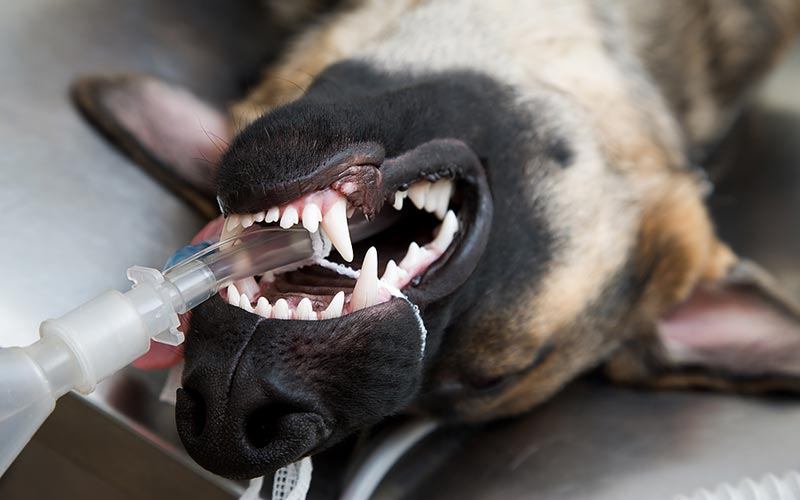
When your pet needs surgery, it can be a stressful time. Depending on the surgery for your pet, there could be risks, but we do not always think about the risk of the anesthesia used on our pets.
On Pet MD state a vet cannot do a proper job if the animal can move during surgery. If the pet can chew on the breathing tube will create complications in keeping their airway open. The more invasive the procedure, the deeper the animal needs to sedate.
There are different types of anesthesia.
Local anesthesia: this is a medication used in the area that is being worked on the body. Local means the animal is still awake but will not feel the area that is worked on.
General Anesthesia: This is when the patient is put completely asleep. The sleep can be slightly sedated to complete paralysis and breathing assist.
The first risk for pet anesthesia
The age of your pet is a major risk factor. The younger your pet the greater the chance and fewer complications your pet may have during surgery. The older the pet have more complications with pre-existing problems.
The second risk for pet Anesthesia
The weight of your pet is another factor. Heavier pets especially if they are overweight will create complications. The saying goes if your pet is overweight on the outside they will be overweight inside. When a mammal is put to sleep, all muscle tone is relaxed and that includes the airway. Another thing is the medication can stay in the body longer when your pet is overweight. If the animal has a low body fat index, then the drug can work differently on the heart than with others.
The third risk factor for pet Anesthesia
The difference between your cat and your dog. The cat is usually harder to administer anesthesia. Cats being smaller 's hard to place catheters into them and manage their airway. Between cats and dogs, cats will have more complications with anesthesia than dogs.
The fourth Risk Factor for Anesthesia
The breed of your pet is another factor to keep in mind when your pet has to go into surgery. The size, shape, and particular breed disorders are all risk factors with the anesthesia. If the snout is too small, dogs like the bulldog breeds can have problems with the airway. Cat breeds can have similar problems. The size of the airways and the ability to lung function depends on the breed of your pet.
The fifth Risk factor for anesthesia
The last factor to look into before your pet goes to surgery is any previous medical conditions. This can be conditions related to breed or age. Any medical condition such as diabetes, heartworm, or any medical condition that could affect your pet while under anesthesia.
Keep in mind that when your pet needs surgery you need to ask your veterinarian what the risks related to the breed of your pet and know what is expected when having surgery done with your pet.