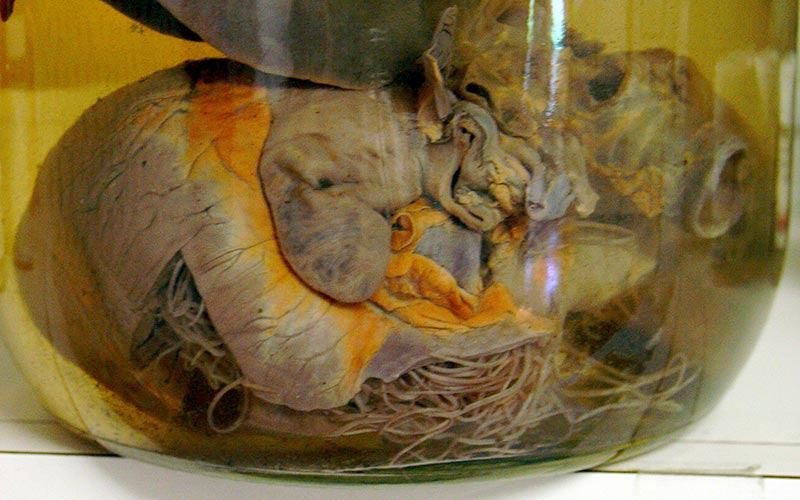
Heartworms are a dangerous parasite for your cat or dog. In most cases, heartworms can be preventable through medication and common sense. Most people tend to ignore the signs or symptoms because they believe in a series of Myths. Here are the 10 most common myths that pet owners need to know about heartworms.
- Mosquito season starts at the same time of the year. According to the Heartworm Society, there are mild winters, and early springs making it a perfect condition to have more mosquito seasons. This means that almost every month is a possible mosquito season.
- Pets aren't at risk during the winter. Although mosquitos like most insects tend to die off during the extreme cold, there still can be warmer rain. When there is water there will be mosquitos.
- Dry places do not have heartworm problems. In places as dry as Arizona have been known to have mosquito problems. This is in places such as irrigation and ponds. In fact, according to the American Heartworm Society, heartworms have been detected in all 50 states.
- Cats can't get Heartworms. Most infections are primarily in dogs, but cats are just at risk. Especially outdoor cats are more at risk. Cats that are inside can get bitten by infected mosquitoes.
- Heartworm disease is not fatal. The fact is Heartworm disease is a serious, life-threatening disease, and you need to take preventive measures and treat it aggressively.
- It is ok if my pet misses a month of heartworm treatment. If your pet misses one-month heartworm treatment, the American Heartworm Society recommends that you get your pet tested and back on preventive medications as soon as possible.
- Heartworms are contagious. The truth is that heartworms are only contracted through mosquitos and it is a parasite, not a pathogen. The same mosquito can indeed bite both pets and make both pets infected.
- People can get heartworms from your pets. Again if the infected Mosquito bites the pet and the human they can be infected, but humans are a little different than their pets. A human can contract the disease but it is rare. Heartworms infect dogs, cats, and ferrets.
- There is no effective natural prevention. According to Dr. Gerald Wessner of the Holistic Veterinary Clinic in Summerfield, FL, holistic pet parents do have an alternative to traditional heartworm preventive drugs. He has documented success over 8 years using heartworm nosodes (a homeopathic vaccine) in conjunction with Paratox (a multi-remedy homeopathic) and including diatomaceous earth in pets' food.
- Puppies and Kittens are born with a natural immunity. While mother cats and dogs pass some immunity through the colostrum in their milk, puppies and kittens are not immune to heartworms. Experts recommend beginning prevention habits early. Consult with your veterinarian as to when your young pet may be ready to start on a heartworm preventive regimen.
The best thing for your pet is to take them to the veterinarian regularly. Have them checked for heartworms and make sure they stay on their preventive medications. Pet 4 CPR can give you training in knowing what signs and symptoms to find with your pet and when to take them to the vet.