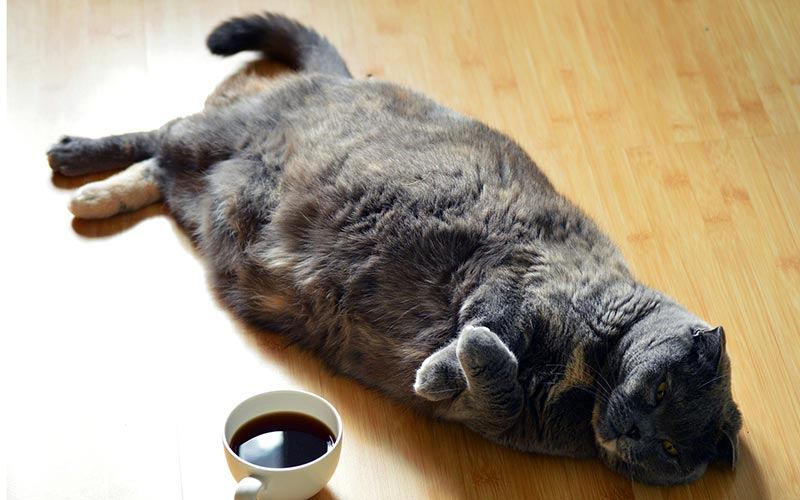
Obesity can be a problem in both pets and people. The Association for Pet Obesity Prevention (APOP) states "that over 50 percent of all pets in the United States are overweight or obese. That is a significant percentage because that works out to about 89 million cats and dogs.
Obesity leads to a significant number of health problems such as muscular-skeletal abnormalities, endocrine imbalance, cardiovascular disease, dermatological abnormalities, cancer, and more.
Obesity is the number one nutritional disease in pets. When you ask a pet owner what they think is the number one cause of nutritional disease in cats and dogs, they do not mention obesity. They usually refer to malnutrition, and vitamin and mineral imbalance.
Commercially available pet foods are the diet of choice for American households. Processed pet foods are the main reason why pets become overweight. Pet owners live in fear of nutritional imbalance in their pets. They will use commercial pet food that has real meat, vegetables, fruit and grain like humans eat. These highly processed foods contain ingredients vastly different from those that appear in natural food form for most canine and feline companions.
Pet owners have been studying to provide more natural food and treats for their domestic animals, in battling the nutritional imbalance. The problem is that they are providing a calorie surplus that their pets cannot burn off.
Let's look at the obesity health problems that your pet may incur while being overweight.
When any animal is overweight, they create stress on all their joint, ligaments, and tendons. This leads to damage and inflammation in your pet's joints and causes arthritis. If arthritis is left untreated, it will lead to degenerative joint disease (DJD) and deform the cartilage surface. Obese pets are more prone to muscular-skeletal injuries.
The endocrine system is a network of glands and hormones to help balance the body's ability to function normally (digestion, immune system response, metabolism, and water balance). The two most common endocrine diseases that domestic animals endure are diabetes and hypothyroidism. Most cats get diabetes and dogs tend to get hypothyroidism.
The cardiovascular system is a system of the heart, veins, and arteries that supply blood throughout the body. When your pet is overweight, the cardiac system has trouble providing nutrients and oxygen to all parts of the body. This leads to high blood pressure, loss of circulation, and heart failure.
When our pets become overweight they tend to have skin folds. These skin folds can collect bacteria and yeast. Eventually leading to dermatitis and hot spots. Obese pets have a hard time grooming themselves.
Being overweight or obese has a well-documented correlation to canine bladder and mammary cancer. Inflammation from the stresses of excess weight will bring in a great environment for cancer to develop. In addition, Omega-6 fatty acids from animal fats tend to promote inflammation in the body and are linked to cancer cells.
The good news is obesity is preventable and all we have to do is restrict the calories given to our pets. To help reduce your pet's weight, reduce their portions by a quarter to a third of what they normally get. Instead of giving our pets food as a reward, we should change to praise and socialization with activities. The last thing provide natural foods instead of commercially processed foods.