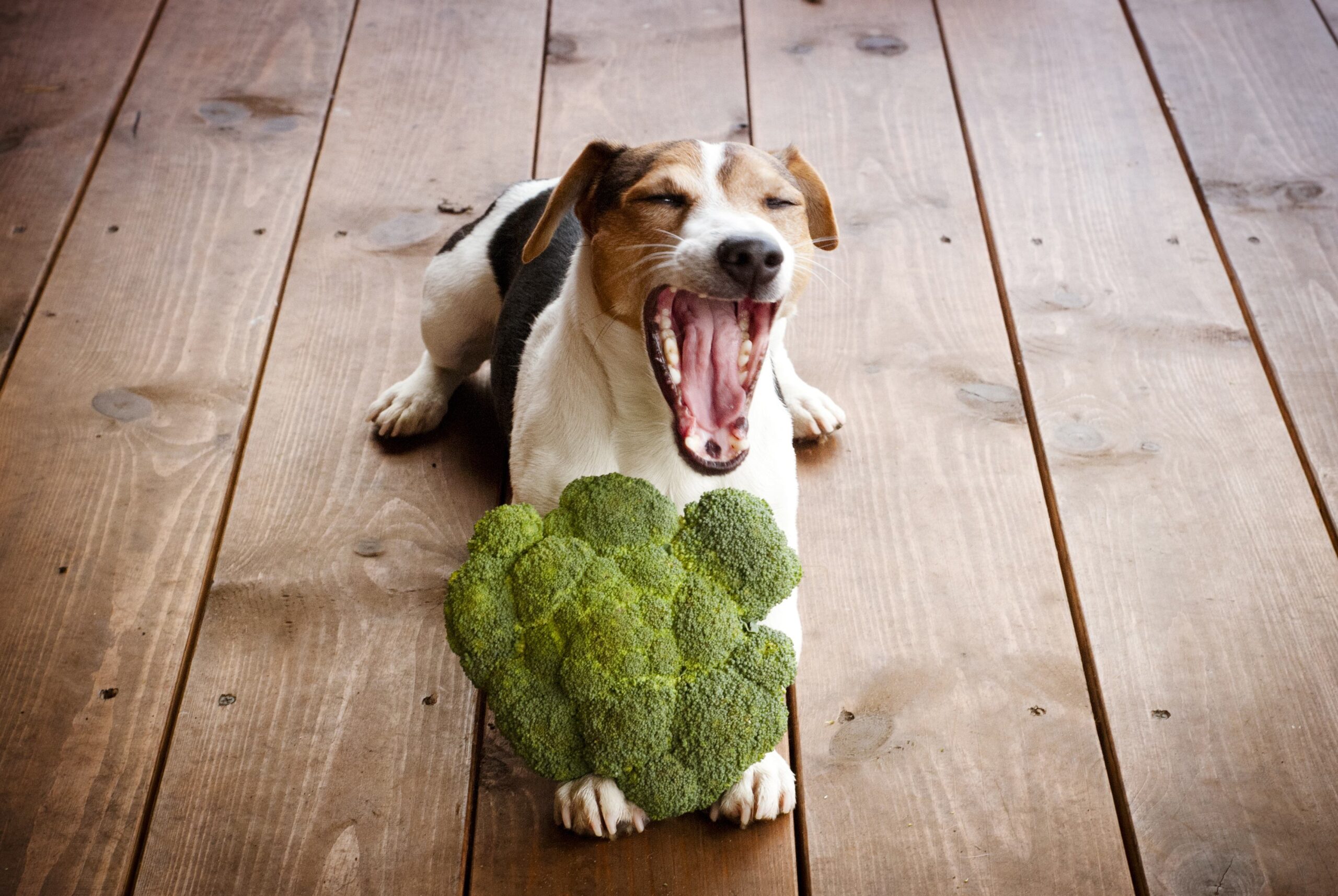
Veganism has entered the mainstream in diets. Some pet owners who are vegan want to have their dogs with the same diet. In the dog food market, there are pet food manufacturers who are trying to cater to this market. Vegan dog food has zero animal products and has replaced the protein content with massive plant protein such as grains, rice, and lentil beans. There are some examples of vegan pet food like Halo Holistic Garden of vegan dog food or V-dog.
Most Vegans are looking to save the environment by not eating animal products, and they want their dogs to accompany this trend, but the question is a vegan diet healthy for your pet? The best answer to this question is we recommend you visit your veterinarian to make sure you have the right food for your pet.
All dogs are directly related to Carnivorous (Meat Eaters) wolves. Through selective breeding, our dogs have slightly evolved to an Omnivorous (Meat and Vegetarian) diet. An omnivore diet is where your dog can get nutrients from both plants and animals. Dr. Lisa Weeth, a board-certified veterinarian nutritionist, does not recommend providing your dog with an all-vegan diet. All breeds of dogs have a specific need for nutrition to keep them healthy. Just like humans, your dog's feeding needs change as your pet ages.
If a Vegan Pet Parent decides to make their dog a vegan dog, their dog must get the proper diet necessary for their breed and age. All dogs require a certain amount of amino acids that make up specific proteins. Most vegan pet food companies lack particular proteins such as Taurine and L-carnitine which are missing in a dog's diet and can lead to heart disease. If your dog lacks the protein Taurine, this can lead to a medical condition called dilated cardiomyopathy.
Not all proteins are equal, and from the food, you provide your dog may not equally give the protein in the amount needed. Plant foods require your dog's digestive system to work harder in retrieving the protein from food substances. When the plant substance is digested, it may get a limited level of nutrients needed.
When it comes to your dog's food, Veterinarians like to look at the biological value (BV) of each type of protein for your dog. BV is a measurement used to determine the efficiency of a particular protein. For example, an egg is rated as high BV because it carries all the proper amino acids that your dog needs to grow. Unlike seeds, nuts, and grain have a very low BV because its amino acid profile is incomplete compared to an egg. The good news is that you can make sure your dog gets all the amino acids it needs by combining different plant materials in proper order can complete your dog's diet.
One more disadvantage of plant proteins versus animal proteins is their digestibility. Unlike meat, plants have fibers and cell walls that vary in ways that your dog may not be able to digest as well as it can on meat. This will limit the amount of nutrients your dog can get from a vegan diet.
If you insist on placing your dog on a vegan diet, it's recommended that you consult your veterinarian. It is not always kind to put the dog on a vegan diet immediately because it may shock their system and cause some adverse reactions. A dog on a vegan diet may become very Alkaline and cause struvite stones in the kidney. If your dog's coat starts to fall out, this may mean they are not getting enough fatty acids to keep your dog's skin healthy. What is recommended is to gradually change your dog's diet from meat to a vegan diet. Watch the effects the food is having on your pet and see how your dog tolerates it. Once the dog is used to the diet change, they should be ok, but as they age be aware of your dog's nutrient needs.