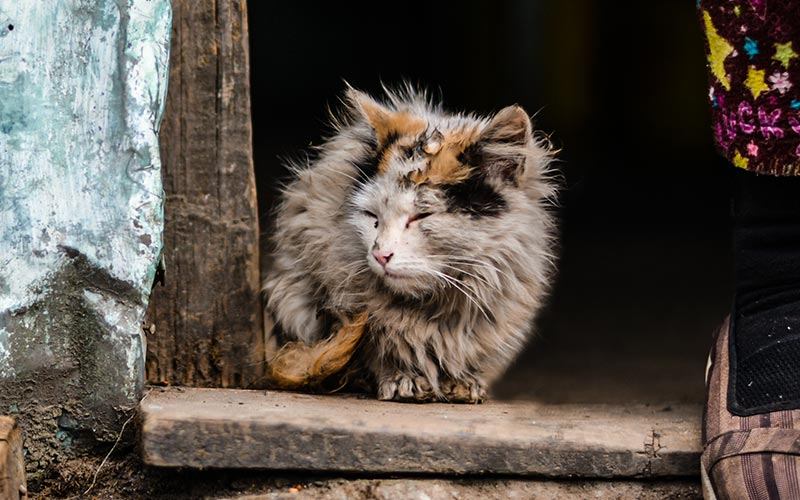
Your cat is a close part of the family. Unlike the dog, they do not seem to wait for their owner at the door, but we do know our cat's characteristics. The number one thing that The American Veterinary Medical Association recommends is for all cat owners to keep up with their cat wellness appointments.
Bad breath - Stinky breath can indicate kidney problems or serious dental disease with your cat. A sweet or fruity smell from your cat may indicate diabetes. You should consult your vet if your cat has an unusual odor from its mouth.
Becomes more or less affectionate - If your is normally clingy and then becomes aloof, or if your cat is normally independent and then it becomes very attached. These are subtle signs according to the CATylist Council and here you can download the guide called Categorical Care.
A change in appearance - An unkempt appearance and increased shedding are symptoms of hyperthyroidism, this is a glandular disorder or allergies
A drop in drinking or eating - A sudden decrease in food or water intake can be a sign of several health problems, from dental issues to kidney disease to cancer. Not only that, the cessation of eating or drinking can itself lead to serious complications: I learned this lesson when a roommate’s cat became ill after not eating for a few days. If your cat stops eating or drinking for 24 hours, head to the vet.
An increase in eating or drinking - Sometimes we are happy that our cat is eating and drinking a lot. Most people think this is a healthy sign, but this can be a sign of diabetes or hyperthyroidism. Another possible problem could be inflammatory bowel disease.
Change in poop or pee - If you notice a change in the frequency, color, smell, or volume of your cat’s waste, or your cat’s pooping or peeing behavior, tell your vet. Increased urination may indicate diabetes, and if your cat suddenly starts straining or crying in the litter box or pooping or peeing outside the litter box, she could have lower urinary tract disease.
Something seeming “off” - I tell owners not to underestimate their gut feeling about their cats. Cats are subtle creatures and small changes in behavior can mean a lot. Owners who know their pets are the best judge of what could be wrong.
It is good to know if your pet is in trouble or not. You need to have your vet number in an easily accessible place. Knowing the subtle changes in your cat's behavior can give you early warning signs of something great. The earlier you can identify your cat's illness, the greater the chance to treat them. With the Pet4CPR we are here to help you know when you need to take your cat to the vet and how to treat them in a medical emergency. Our classes are good for your cat and your cat will thank you for knowing what to do.